Equine assisted therapy uses guided interaction with horses as part of a broader therapeutic approach. For people working through PTSD and service-related trauma, it may support emotional regulation, trust, self-awareness, and connection. An equine therapy program works best alongside evidence-based trauma treatment, giving clients another way to notice what they feel and practice healthier responses in real time.
When the body is still carrying the stress
First responders and veterans often learn to stay composed under pressure while the body keeps carrying stress afterward. Equine assisted therapy creates a different therapeutic setting. Horses don’t respond to rank or carefully practiced explanations. They respond to what happens in the moment. That immediate feedback may bring patterns into view that feel harder to recognize through conversation alone.
What equine-assisted therapy looks like
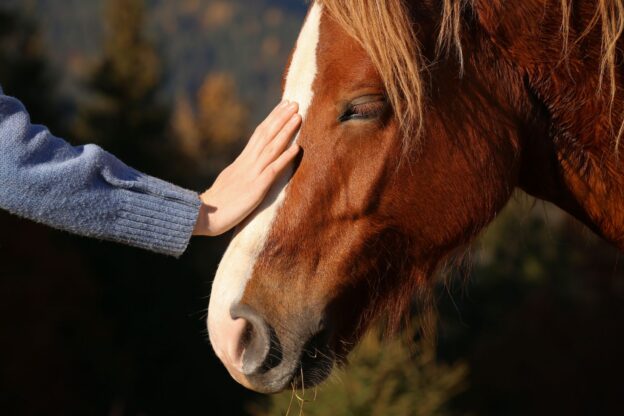
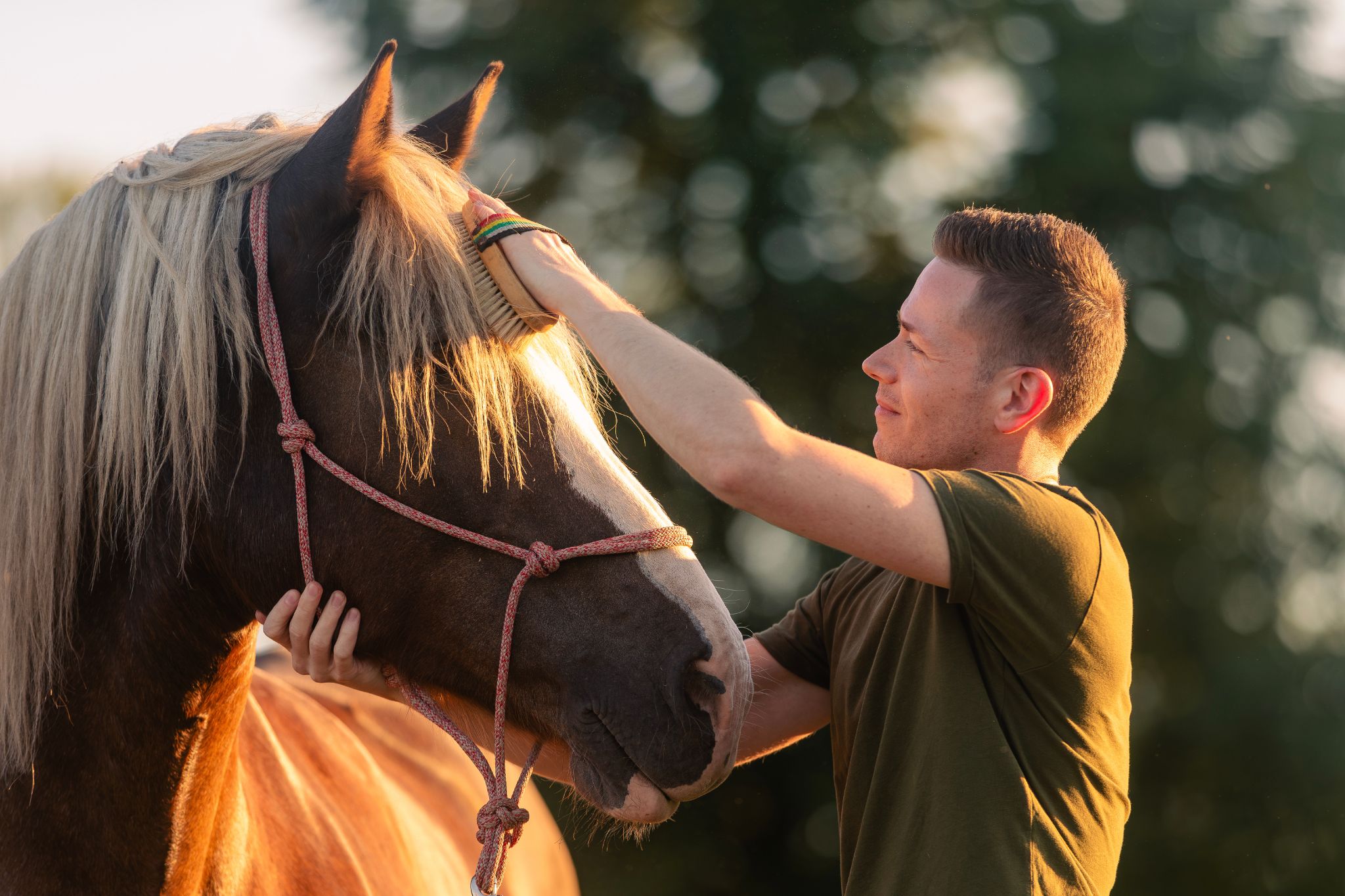
Equine assisted therapy doesn’t always involve riding. Many sessions take place on the ground. A client may observe a horse, approach it, groom it, lead it, or complete another guided activity.
The interaction gives the client and therapist something happening in real time to explore. A person may notice tension, hesitation, or an urge to force an outcome.
Horses often respond quickly to changes in presence and body language. A well-structured equine therapy program uses those moments to build awareness and connect the interaction to patterns outside treatment.
How an equine therapy session works
Every horse has its own personality, so no two sessions unfold exactly the same way. The work usually starts with the client noticing the environment and their internal response.
The therapist may then guide an activity with the horse. The client watches for changes in tension or calm and practices staying present.
The therapist connects the experience to daily life. A reaction around the horse may resemble what happens during conflict at home or when a difficult memory surfaces. That real-time process gives the equine therapy program a practical quality.
How horses may help reveal trauma responses
Trauma often changes how people experience safety and connection. It may teach someone to stay guarded, control the environment, or pull away before another person gets too close.
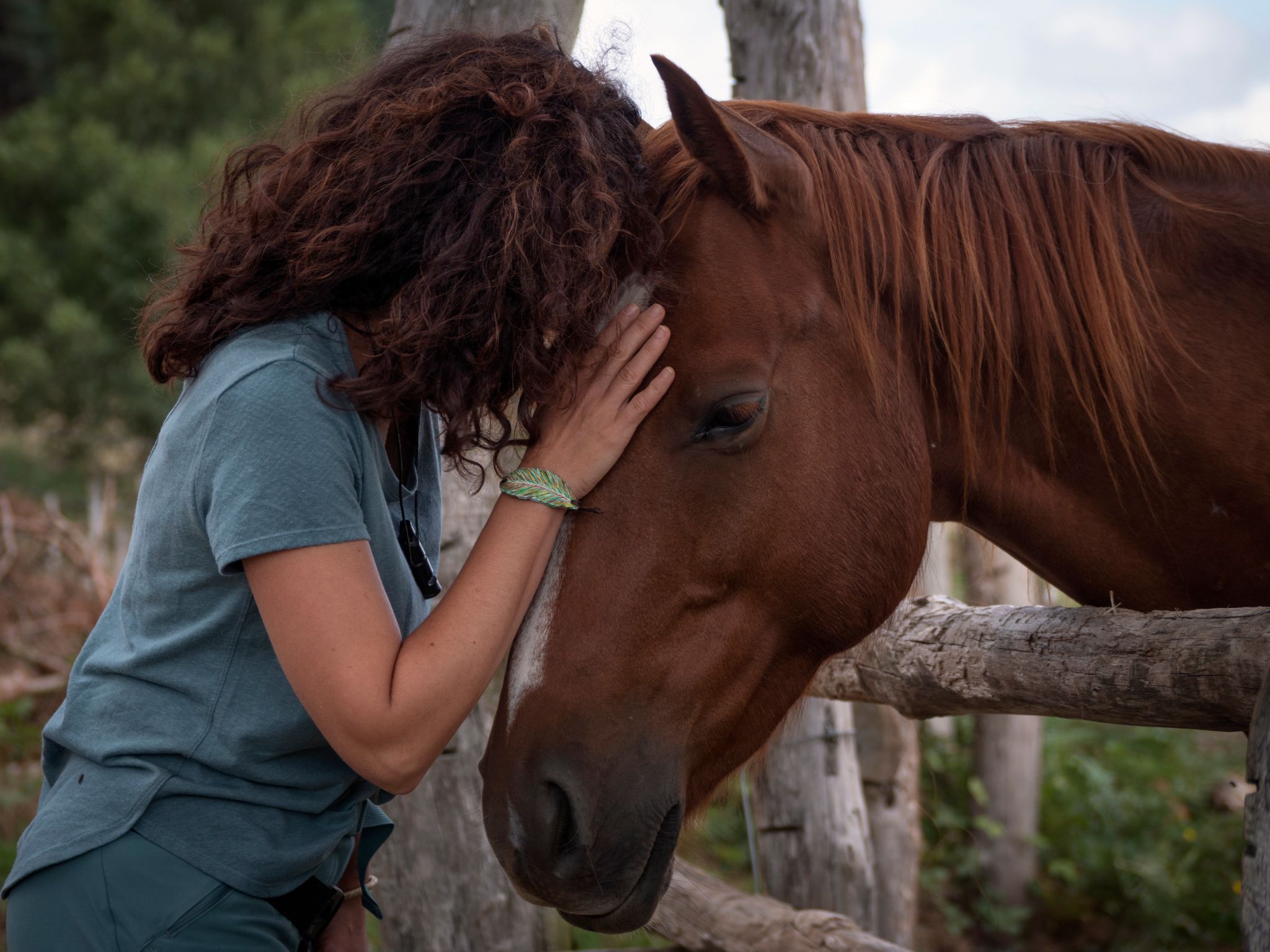
Horses offer a different experience. They don’t need a polished explanation of what happened. They respond to the person standing in front of them.
If someone approaches while anxious or distracted, the horse may respond differently than when that person becomes grounded and present. The shift may help the client recognize what their body already knows.
For first responders and veterans, those moments may feel especially powerful. Equine assisted therapy creates space to become curious about a reaction instead of automatically shutting it down.
Equine therapy benefits for PTSD and trauma recovery
Many equine therapy benefits connect directly to skills people use throughout trauma recovery.
- Emotional regulation: Working around a horse requires attention to internal reactions. Clients get opportunities to slow down and respond to stress with greater awareness.
- Trust: Some people find it easier to begin building trust with a horse before opening up more fully with another person.
- Self-awareness: A horse’s response may help someone recognize emotions or reactions they hadn’t fully noticed before.
- Healthy boundaries: Interacting with a large animal requires awareness of space and communication. Clients get a practical setting to notice how they set and respond to boundaries.
- Connection: Working with a horse creates another way to practice staying present and engaged instead of automatically pulling away.
These equine therapy benefits don’t come from a horse magically fixing trauma. Healing still requires courage, vulnerability, and difficult emotional work.
Common misconceptions about equine therapy
A few common misconceptions can make equine therapy sound very different from what it actually is:
- You have to ride a horse: Many therapeutic activities happen entirely on the ground.
- The horse does the healing: The horse plays a role in the experience, but the client still does the emotional work with support from trained professionals.
- Equine therapy replaces trauma treatment: It works best as part of a broader clinical plan alongside established trauma therapies.
- You need horse experience: Many people begin without any background in riding or handling horses.
What research says about equine-assisted treatment
Research on equine-assisted services for veterans with PTSD has produced encouraging findings. Recent systematic reviews have found reductions in PTSD symptom severity. Researchers have also reported improvements in trust, social connection, confidence, emotional regulation, and overall well-being.
The research base continues to develop, and researchers still call for larger studies with stronger methods. That context helps keep claims about equine therapy benefits grounded.
Current findings support using equine-based work as a complement to evidence-based trauma treatment rather than a replacement for it. An equine therapy program adds another setting where clients may practice regulation, connection, and awareness while continuing deeper clinical work.
Choosing the right equine therapy program
The clinical approach shapes the experience. Look for an equine therapy program that connects work with horses to a broader treatment plan rather than presenting the horse as a cure.
Clients also need a setting that respects safety and comfort around large animals. The treatment team can explain each activity and how it connects to treatment goals.
For first responders and veterans, the strongest fit may come from clinicians who understand service-related trauma. Equine assisted therapy becomes more relevant when the team connects the experience to PTSD, cumulative stress, moral injury, addiction, or the ways trauma follows someone home.
Frequently asked questions
Is equine therapy useful for PTSD?
Research involving veterans with PTSD shows promising results, especially when clinicians use equine-based work alongside evidence-based trauma treatment. The research continues to grow, so it fits best as one part of a comprehensive treatment plan.
Do you have to ride during equine therapy?
No. Many sessions use ground-based interaction. Clients may observe, approach, groom, or lead a horse while the therapist helps them notice emotional and physical reactions.
What are the main equine therapy benefits?
Common equine therapy benefits include stronger emotional awareness, improved regulation, greater trust, and healthier connection. The interaction gives clients a real-time setting where they may recognize patterns that also affect relationships or responses to stress.
Does equine therapy replace other trauma therapies?
No. Equine-based treatment works best alongside established trauma therapies. It gives clients another way to explore emotional responses and practice skills while they continue working on the trauma underneath their symptoms.
Equine therapy at Deer Hollow Recovery
Healing doesn’t happen because a horse fixes someone. It grows through presence, awareness, and a willingness to stay engaged with difficult emotions.
For first responders and veterans, that work may open another path into trauma recovery. Deer Hollow Recovery uses a trauma-first approach that looks beneath drinking, anger, poor sleep, emotional distance, and other symptoms to address what may be driving them.
If service-related trauma continues to affect how you feel, connect, or cope, talk with the Deer Hollow Recovery team about whether equine assisted therapy fits into your treatment plan.