When EMTs Need Support After the Call
Trauma-First Treatment for EMTs and Emergency Medical Professionals
• Confidential • Built for first responders and veterans • Trauma-first from day one
What EMTs carry after the call
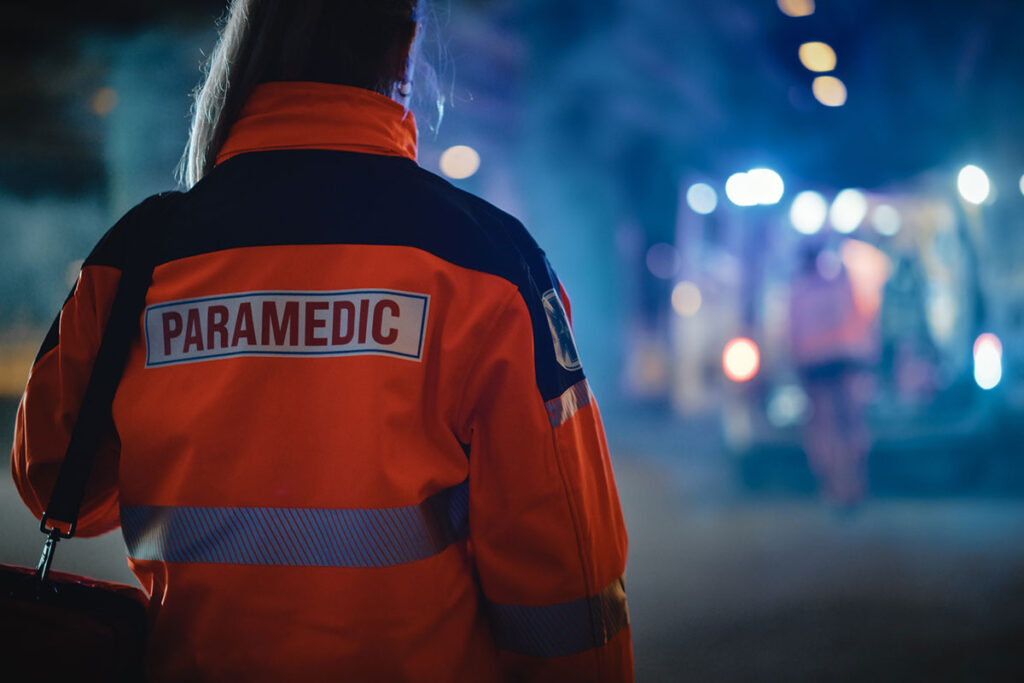
EMTs and emergency medical professionals face emergencies, trauma, loss, and high-pressure decisions most people never see. Training prepares you to respond, but it doesn’t always prepare you for what stays with you after the shift.
If the weight is showing up as poor sleep, anger, drinking, emotional distance, or feeling unlike yourself, stress may not be the full story. Deer Hollow Recovery helps address the underlying trauma.
Do any of these feel familiar?
1
2
3
4
5
6
What Deer Hollow Recovery Provides
Trauma-Focused Individual Therapy
One-on-one therapy that addresses PTSD and service-related trauma.
Co-Occurring Disorder Treatment
Peer Support from Those Who Understand
Family Support and Education
Confidential Care
Continuing Care Planning
The Deer Hollow approach
What Trauma-First Treatment Looks Like
Start with a confidential conversation
You’ll talk with a team member who understands first responder culture, what you’re facing, and whether Deer Hollow is the right fit.
Comprehensive trauma and clinical assessment
Our clinical team assesses PTSD, addiction, mental health, and service-related trauma to build a personalized treatment plan.
Trauma-focused treatment begins
Treatment addresses PTSD, stress, moral injury, addiction, and mental health while helping you build healthier ways to cope.
Build a path forward
As treatment progresses, you build skills to manage triggers, restore family connections, and return to work or life after service.
Treatment
We cover a full range of challenges
Addiction
Alcohol Addiction
Anxiety
Depression
Dual Diagnosis
Insomnia
Suicidal Ideation
Why trauma-first care is different
Care designed for those who serve
Trauma-first treatment model
Built for first responders and veterans
Confidential care
Integrated PTSD and addiction treatment
Clinically grounded approach
Family-inclusive care
Voices from people who've been there
What EMTs and paramedics say about Deer Hollow Recovery
“I found peace at Pioneer House. The staff, the therapies, and the environment gave me hope again.”
– Former Client
“Mountainside helped me rebuild my life. I finally feel like myself again..”
– Former Client
FAQ
Common Questions from EMTs and Emergency Medical Professionals
Does it feel like the job changed how you come home?
EMS can train you to stay controlled in chaos, move fast, and push feelings aside until later. Over time, that can affect how you sleep, talk, connect, and react at home. Trauma-first treatment helps look at what shifted and why.
Does your family only get what’s left of you?
After a shift full of crisis, pain, and responsibility, home can feel harder than it should. You may withdraw, snap, avoid conversation, or feel disconnected from people you love. Deer Hollow Recovery includes family support because trauma often reaches beyond the person carrying it.
Do you dread the next tone?
Burnout, dread, irritability, and feeling trapped can build after repeated crisis exposure. This may be a sign you’ve carried too much without the right support.
What if you’ve lost the version of yourself you used to recognize?
EMS can change how you see people, safety, family, and yourself. If you feel colder, more guarded, more angry, or less present than you used to be, Deer Hollow Recovery can help you understand what trauma has been doing underneath the surface.
Do you need help even if you can still run the call?
Yes. Functioning at work doesn’t mean you’re OK. Many EMTs keep responding, documenting, transporting, and caring for patients while struggling privately. Deer Hollow Recovery starts with what’s happening in your real life.